The documentation of organised football support cannot ignore the darker facets of its history. The intense devotion that fosters community mutual aid and spectacular visual arts is the same energy that, when unchecked or poorly managed, has led to profound conflict and tragedy. Navigating the space between passion and responsibility remains the most complex challenge for supporters, clubs, and authorities.
Tragedy and the Reshaping of the Stadium
The physical architecture and legislative framework of modern European football were born out of tragedy. The Heysel Stadium disaster (1985) and the Hillsborough Disaster (1989) stand as grim watersheds. At Hillsborough, the deaths of 97 Liverpool supporters were caused by severe overcrowding, catastrophic police mismanagement, and inadequate stadium infrastructure—though early narratives unjustly blamed the supporters themselves.
The subsequent Taylor Report mandated the removal of standing terraces in the UK, ushering in the era of the all-seater stadium. While this undoubtedly improved safety standards, it fundamentally altered the matchday dynamic, pricing out traditional demographics and sterilising the atmosphere—a change that supporters across Europe closely monitored and fiercely resisted in their own leagues.
The Friction of Policing
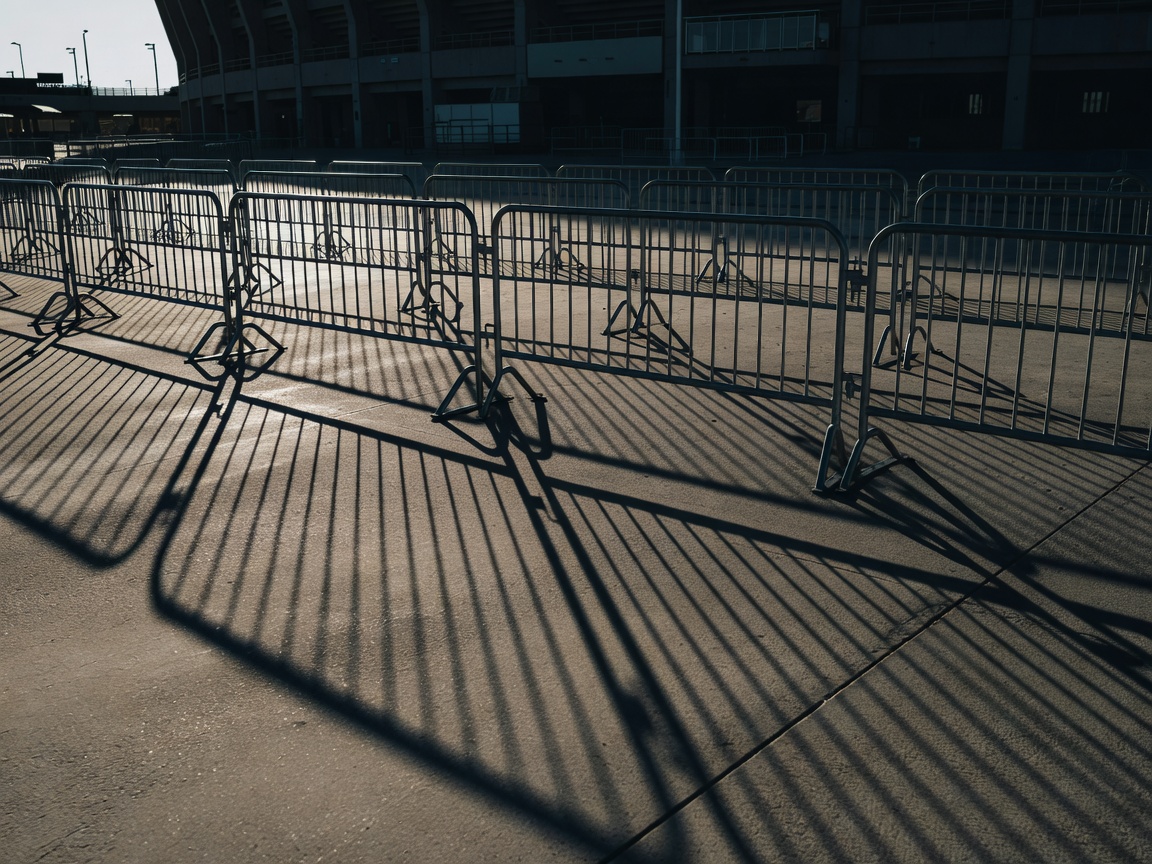
The relationship between organised supporter groups and law enforcement is inherently adversarial. In many jurisdictions, supporters feel subject to disproportionate surveillance and heavy-handed crowd control tactics. The implementation of strict banning orders, specialized riot police units, and travel restrictions has created a heavily securitized matchday experience.
Authorities, conversely, point to the historical prevalence of hooliganism—planned violence between rival firms—as justification for these measures. While hooliganism (which seeks violence as an end in itself) and ultra culture (which prioritizes visual/vocal support, though occasionally resorting to violence in territorial defense) are distinct phenomena, legislation rarely differentiates between the two.
Modern Dialogue and Self-Policing
In recent years, a more nuanced approach has emerged. Organisations like the Football Supporters' Association (FSA) in the UK, SD Europe, and various national fan embassies advocate for dialogue over confrontation. There is a growing recognition by governing bodies like the DFL in Germany and the KNVB in the Netherlands that treating supporters as stakeholders rather than security threats yields better outcomes.
Furthermore, many ultra groups practice strict internal policing to ensure that pyrotechnics (like flares and smoke bombs) are handled responsibly, minimizing risk while maintaining their aesthetic impact. The push for 'Safe Standing' sections across Europe demonstrates a compromise: acknowledging the cultural necessity of communal standing while engineering the physical space to prevent overcrowding and collapse.
The future of terrace culture depends on this fragile equilibrium. It requires authorities to respect the cultural validity of organised support, while supporters must continue to self-regulate, ensuring that the passion of the stand never again gives way to preventable tragedy.