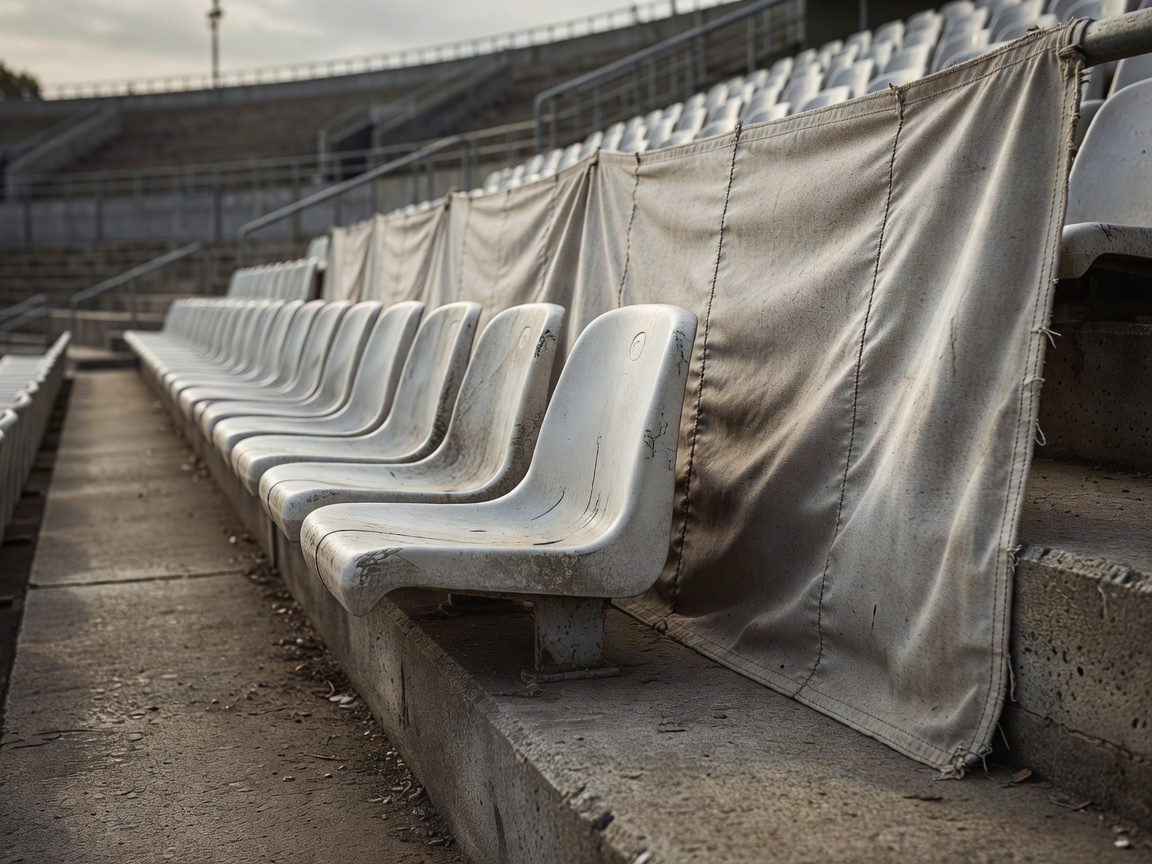
Belonging Has a History
Organised football support is more than atmospheric background noise; it is a meticulously crafted subculture built on everyday labour and collective belonging. From the sewing of vast choreographic banners in community halls to the rhythmic coordination of thousands of voices, terrace culture represents one of the most enduring forms of working-class and community expression in modern Europe and South America.
To understand the stands is to examine a society's relationship with space, authority, and identity. We document the material artifacts—the worn fibres of a scarf, the paint on a concrete step, the printed fanzine—to map how communities claim agency in an increasingly commodified sport.

How the Terrace Took Shape
Tracing the lineages from 1950s Torcida groups in Split, to the Italian ultras of 1968, and the evolution of the British ends.

Colour, Cloth and Collective Voice
The visual and vocal architecture of support, documented through choreography and materiality.
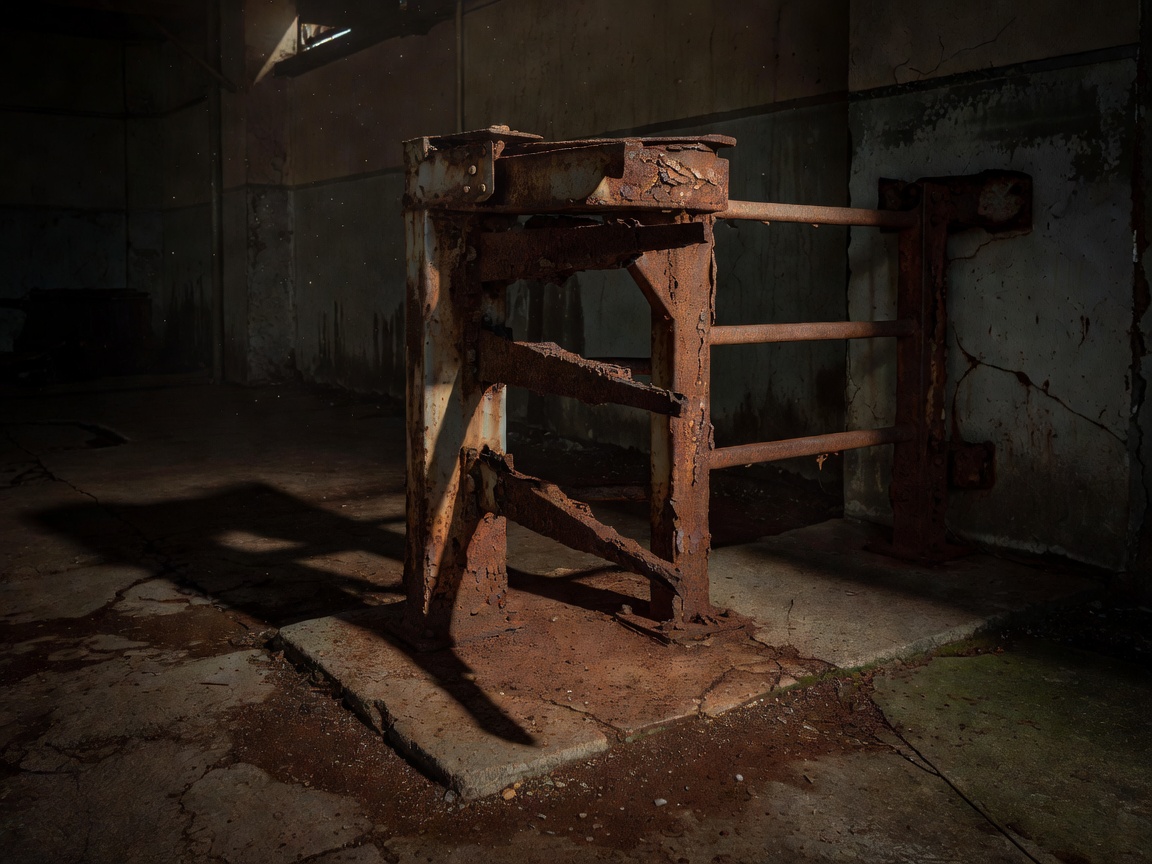
Club, City and Identity
Navigating the hyper-local allegiances, civic pride, and contested geographies of matchday environments.

Where Passion Meets Responsibility
Examining the tensions between supporter autonomy, stadium safety, historic tragedies, and modern policing.
Questions Beyond the Stereotypes
Much of what is reported about terrace culture relies on reductive stereotypes of disorder. Our documentary approach seeks clarity without sensationalism. We answer common queries regarding the structural differences between casuals, ultras, and barra bravas, the mechanics of tifo funding, and the historical milestones of supporter legislation.
Read the FAQA Note on Documenting Culture
This journal operates strictly independently. We do not endorse operational misconduct, romanticise violence, or act as a mouthpiece for any specific collective. Our methodology is historical, sociological, and strictly bound by documentary ethics.
Our Documentary Approach